

Sweet and Salty Brunch Treat
This sweet potato and Canadian bacon treat is a complete meal! Continue reading

Sweet and Salty Brunch Treat
This sweet potato and Canadian bacon treat is a complete meal! Continue reading

Broccoli, Jan. 2, 2013
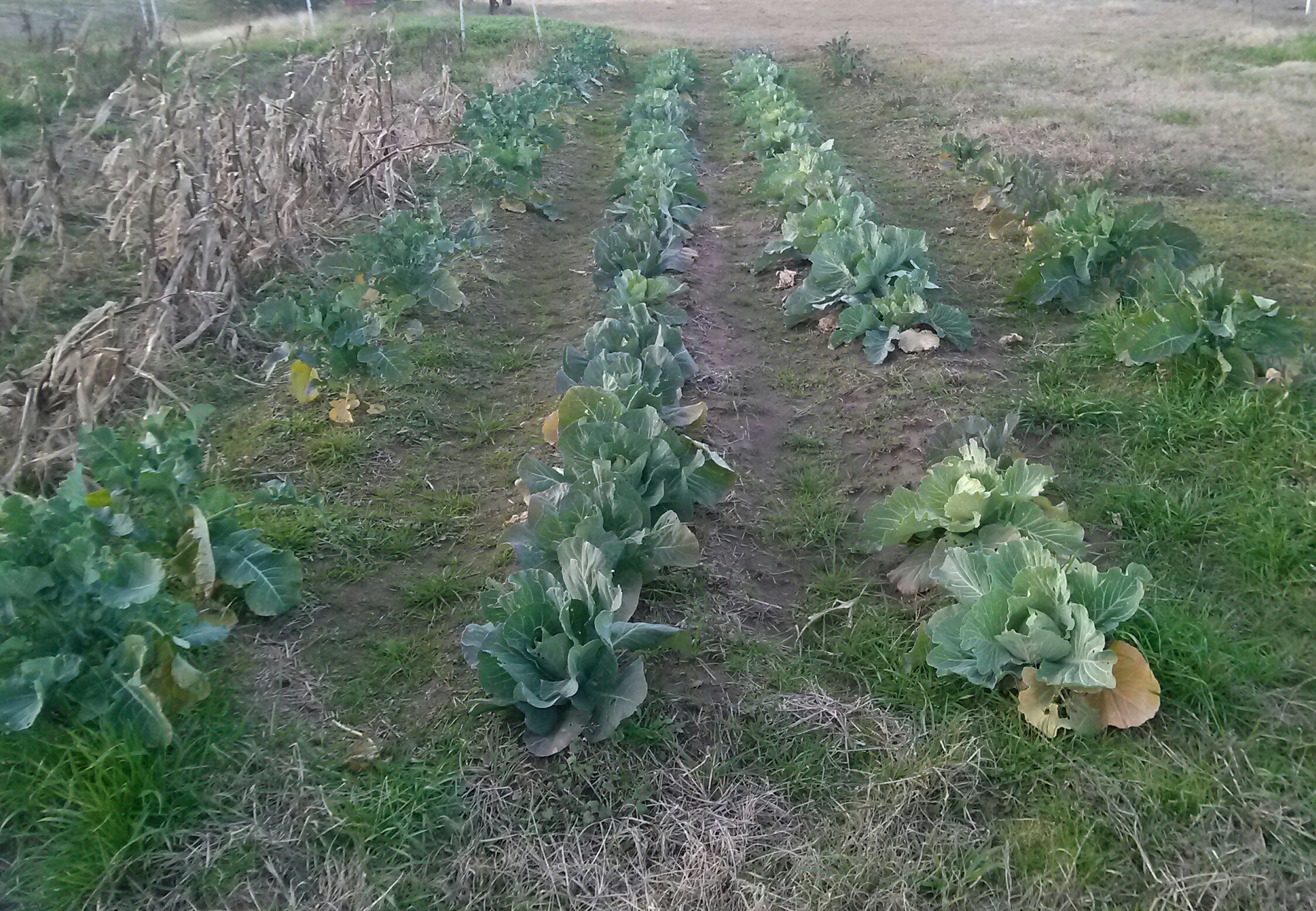
On January 2, 2013, I harvested a small amount of broccoli from the garden (picture to left, top). The cauliflower was still very small on the plants (about the size of a large marble), and the cabbage appeared to be within two weeks of harvesting.
Unfortunately, this will probably be all that we obtain from the “Fall” garden–due to the extreme cold weather we are experiencing now. It was 20 degrees this
Oct 19, 2013 Fall Garden Plants
morning (unusual, even for January) and it will be closer to 15 by tomorrow (Tuesday, January 7, 2013) morning.
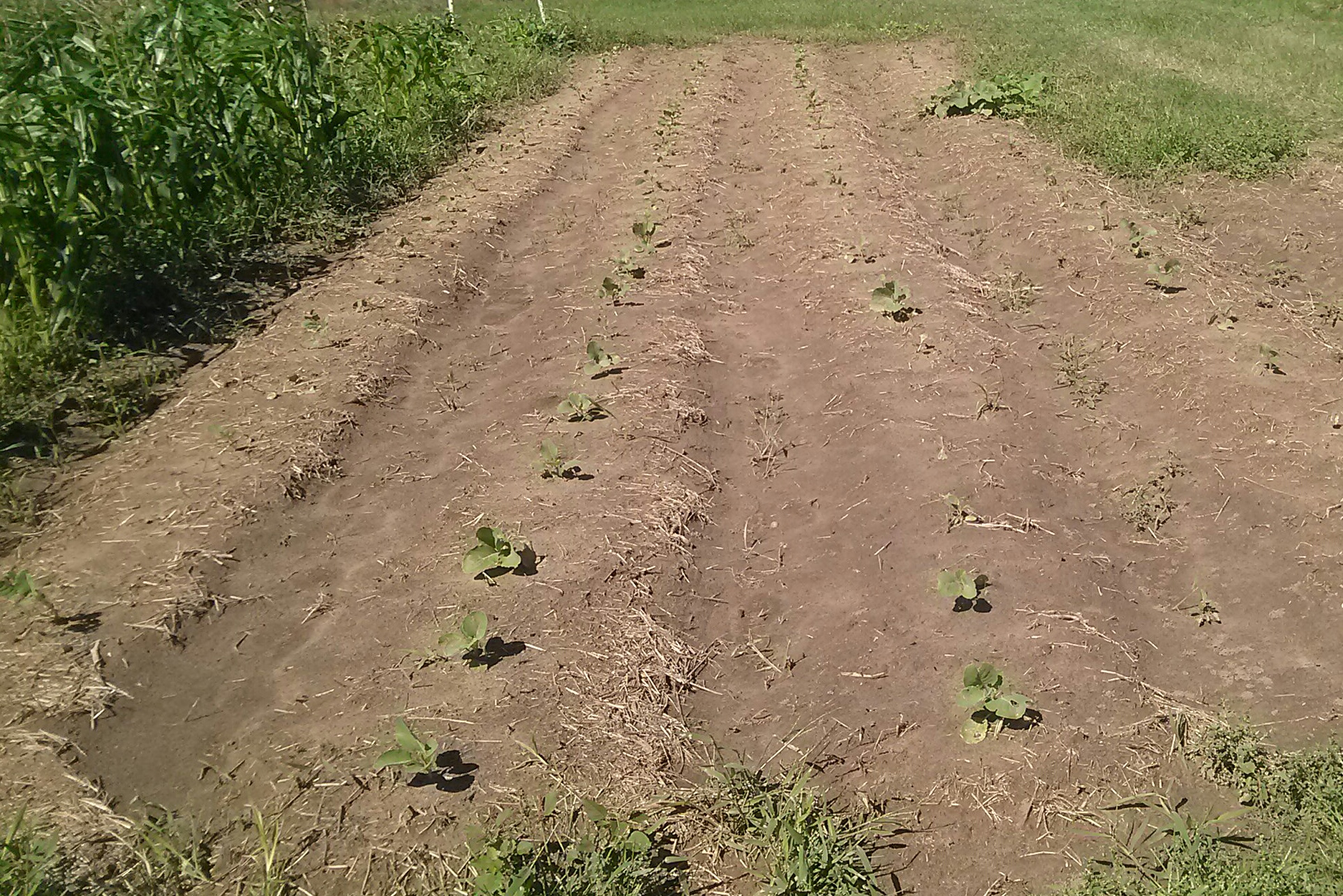
On October 19, 2013, small broccoli, cabbage and cauliflower plants were transplanted into the garden in October. Four rows were planted (from left to right, picture to left); broccoli (Waltham), cabbage (Copenhagen), cabbage (Early Jersey Wakefield), and cauliflower (Snow Ball). Notice also — the corn plants on the far left of the picture.
The plants are usually transplanted to the garden
Fall Plants, Jan. 2, 2013
around mid-September. Time from planting to harvesting for all the transplanted plants is 75 to 95 days. To avoid the really cold weather (hard freezes) that slow plant growth, we usually plant to begin harvesting around December 1 (75 days before December 1 is about September 15.) This year, however, the excess moisture from late Summer and early Fall left the garden soil too muddy to work until October.
On January 2 (75 days after planting), the plants are nearly mature; broccoli is ready to harvest (see 3rd picture at left). Notice also, the corn plants at the far left—stalks are brown

Broccoli head on Plant
from freezing temperatures. Compare the two garden pictures; note the missing plants in the 3rd row, from the left, were not replaced. (The entire garden will be plowed under in the Spring–some time in February when the compost is added.)
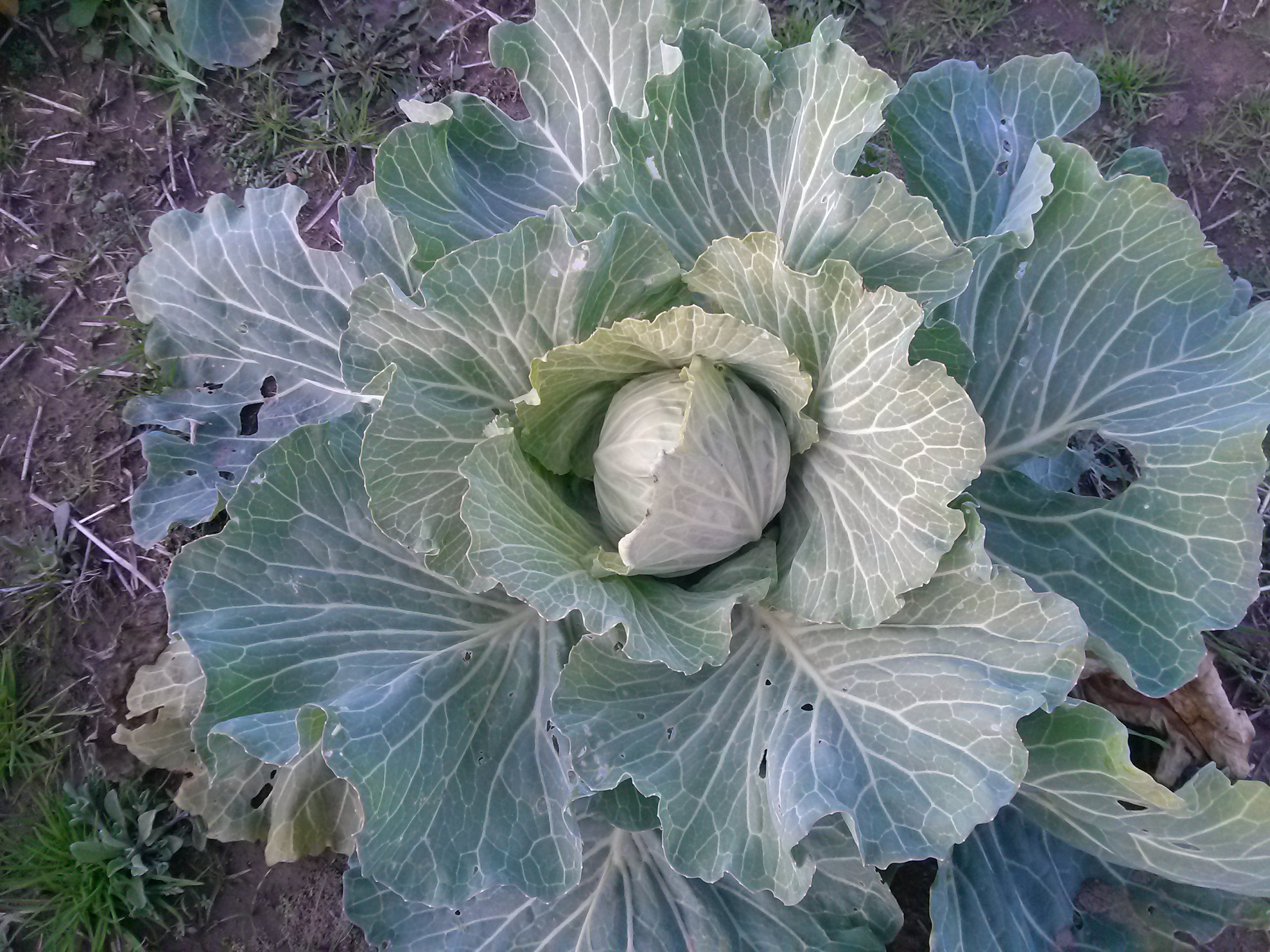
Finally, a few pictures of the broccoli growing on the plants ( to left) and a cabbage plant (bottom).
Cabbage, Top View
Great New Year’s recipe for Texas Caviar (black eyed peas mixture) — originally posted byTexas Monthly.


Green Beans, Nov. 6, 2013
The cool, rainy November weather helped produce the largest (both volume and physical size) green bean harvest we’ve grown so far. Continue reading
During WWI and WWII, the Victory Garden appeared in urban areas as part of the publicized war effort.
If we travel back in time — to the Renaissance Era — we see another view of the role gardening played in peoples’ lives. Continue reading
This post was originally published November, 2013. (Website currently being updated.)
Victory Gardens appeared during both World Wars — I and II — after the U.S. government sequestered canned goods to feed the American soldiers. Americans were encouraged to Continue reading
===========NOTE: This recipe was re-posted as I am re-structuring and updating my web page. ==============
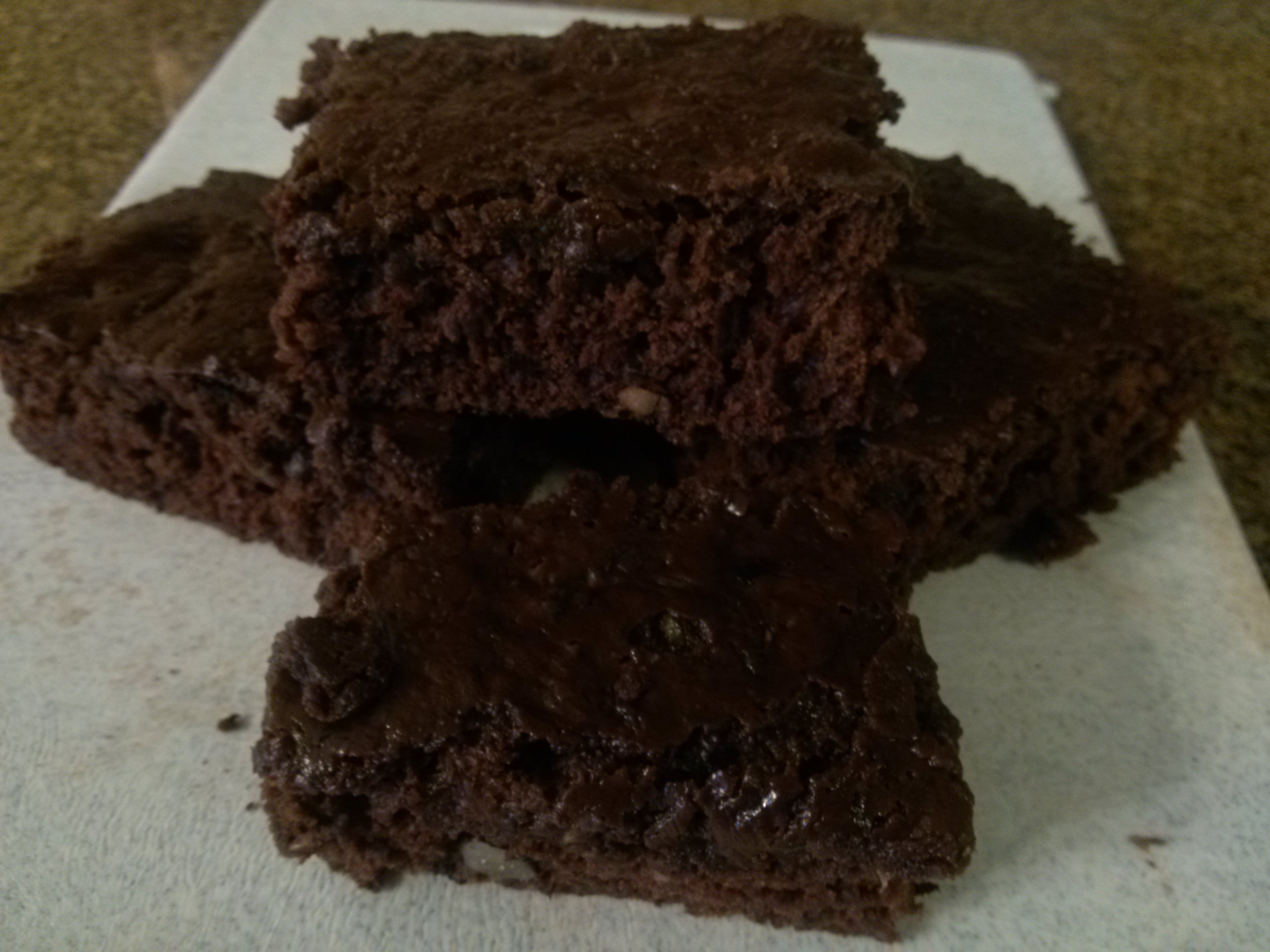
My sister sent this to me after she visited and saw how many zucchini squash were adding up in our garden and kitchen!
This post has information about the nutrition of sweet potatoes (compared to white potatoes), and includes a few recipe resources–Enjoy! Continue reading

Valentine Rose–March 2013
Earlier in the year, the question was posed: Will this rose grow in my garden? this is the promised follow up post — Will I like this rose in my garden? Continue reading
tomatoes-Nov 26-2013
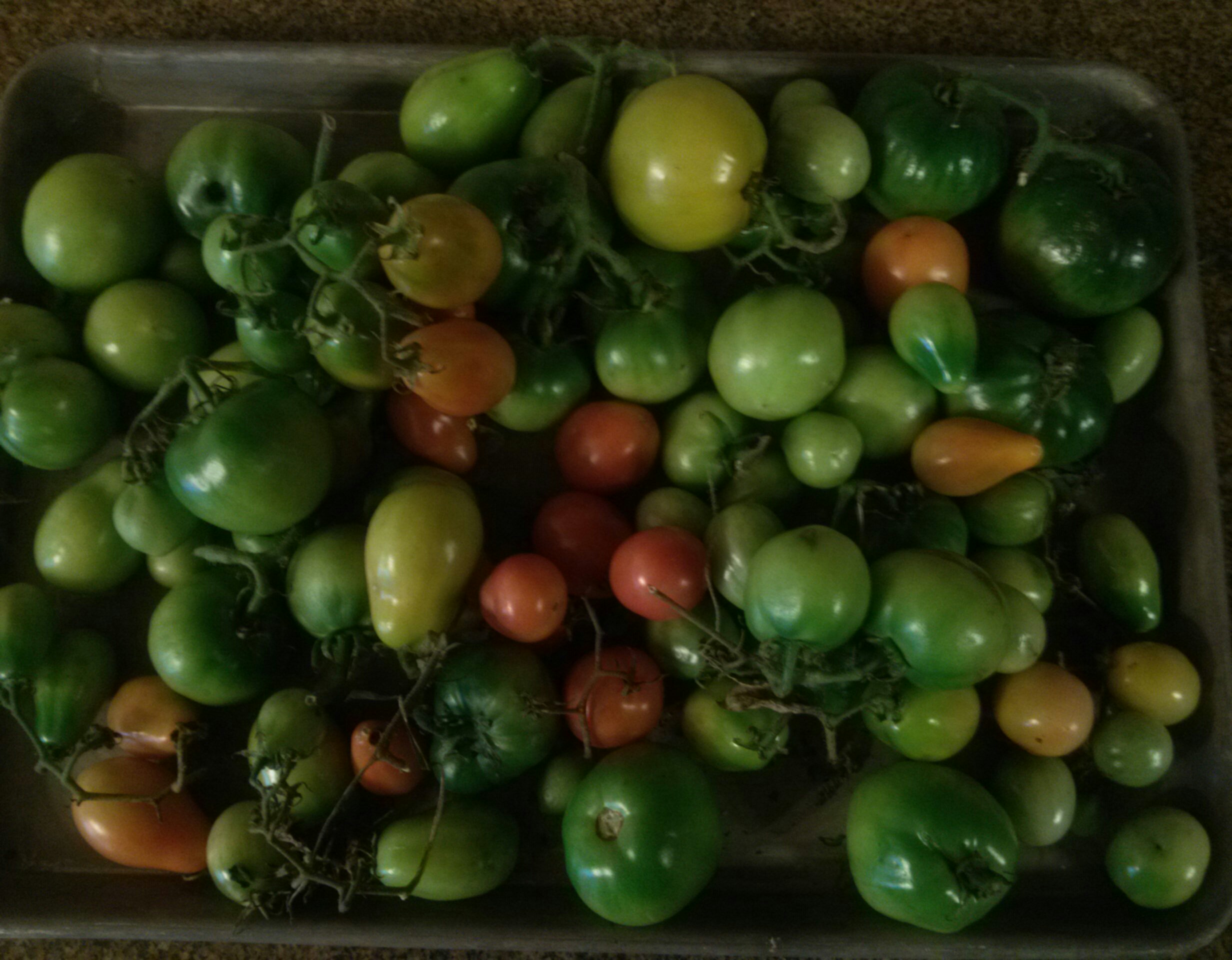
Our mild Fall and Winter weather allows for a Fall garden, but it’s often a “gamble” due to sporadic cold snaps — like the one we had for Thanksgiving (with lows in the upper 20’s and highs in the upper 40’s to low 50’s).
This year, due to perfect conditions for growth, the tomato bushes were filled with green tomatoes the day of the first freeze for winter. Continue reading


 The Art & Science of Gardening