

Canned Tomatoes–June 12, 2014
The first five quarts of tomatoes have been canned for 2014.
Procedure:
Prior to starting, wash 5 quart jars and locate the 5 screw caps and 5 new lids. Continue reading

Canned Tomatoes–June 12, 2014
The first five quarts of tomatoes have been canned for 2014.
Procedure:
Prior to starting, wash 5 quart jars and locate the 5 screw caps and 5 new lids. Continue reading

Damaged Sunflower, May 2014
When I found holes in the stem and about a food missing at the top of this sunflower (pictured above), I didn’t expect to find a tiny weevil responsible for the damage!

Red Spotted Weevil on Sunflower, May 2014
Weevils cause plant damage by using mouth parts and drilling holes in the plant, then feeding on the plant sap. These weevils have “snout” (see picture above) structures similar to the boll weevil—a major economic pest on cotton.






This year we are growing sunflowers; ten different varieties–I had no idea so many sizes and colors existed! So far, 6 of the varieties have blooms, can hardly wait to see the rest. The “Teddy Bear” variety looks like a mum, it is about a foot tall and loaded with multiple blooms. This one would probably work just fine in container gardens.
Sunflowers are sometimes considered to be weeds, but I enjoy their addition as ornamentals to the gardens.

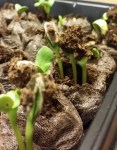
Seed was purchased from Wildseed Farms in Fredericksburg, Texas, planted in peat pellets on March 22 and the seedlings began sprouting on March 26 (see above).

Sunflowers in Onion Bed, April 26, 2014
After plants were about 3 inches tall, they were transferred to 4 inch pots. Three plants from each variety were planted in rows between onions (see “Sunflowers in Onion Bed”) on April 26 and the onion harvest began May 9. Large onions were produced throughout the bed, there was no indication that the sunflowers reduced the yield.

444 Tomato Variety
The 444 tomato variety (also identified as BHN 444) was bred by horticulturalists at Texas A&M University in College Station, Texas.
This variety has demonstrated strong resistance to Tomato-Spotted Wilt Virus and grows well in the South Texas summer heat.
It is determinate (bush varieties that produce a flush of tomato fruit and then stops growing) and has been used by commercial producers.
The plants are relatively small (up to 2 feet in any direction) for the volume of tomato fruit. These plants were exposed to 3 light frosts in early May, so the actual size should be larger—but the fruit is still setting, despite the stunted growth! So far, it is meeting all expectations in our garden!
To be continued …
Resources:
Fight Heat and Disease with ‘TOMATO 444’ accessed online, May 28, 2014 at —- http://aggie-horticulture.tamu.edu/cemap/tomato444/tomato444.html last accessed May 28, 2014.
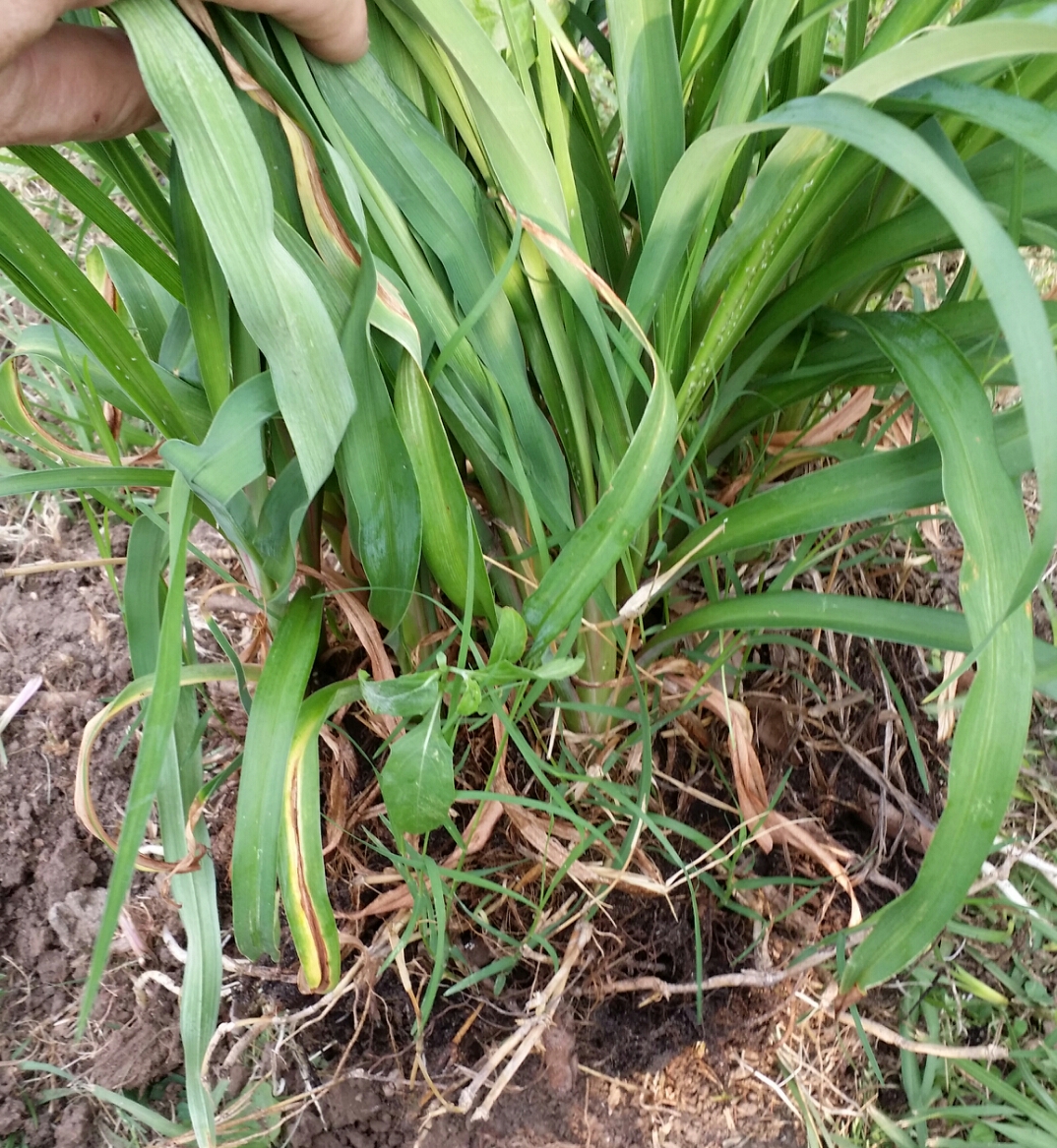
Clump of Daylilies
After preparing new bed space (Part 1), Here’s how I divided the daylilies, beginning with one Clump of Daylilies (see photo, left). this clump was dug with a hand spade; this clump has quite a bit of bermuda grass and weeds woven throughout the daylily roots–those can be removed as the clump is divided into single plants (also called “fans”).
Over time, grass, sedge, and other undesired plants will happily find a new home with the daylily root system. Removing grass and weeds removes competition for nutrients and space in the soil. Before I divided the dayliles (and physically removed all obvious weeds and grass, several of my daylily varieties stopped blooming–I’ve recently discovered two varieties as they are now blooming. Do not underestimate the competition that grasses and weeds will inflict on daylilies. (There are also herbicides to remedy the bermuda grass and other weeds, just check with your local county extension agent to learn more about those chemical controls.) Continue reading
We planted red and white onions on February 1, 2014. Once the green above ground onion leaves were about 4 inches, in March, mulch was added to the raised bed.
Onions signal that they are ready for harvest when the green portion bends at the “neck” and falls over (see “Onion Plant Bending at Neck”). Some people harvest when about 1/4 of the total onion crop has bent to the ground, but we harvest each onion as it indicates it is ready. Continue reading
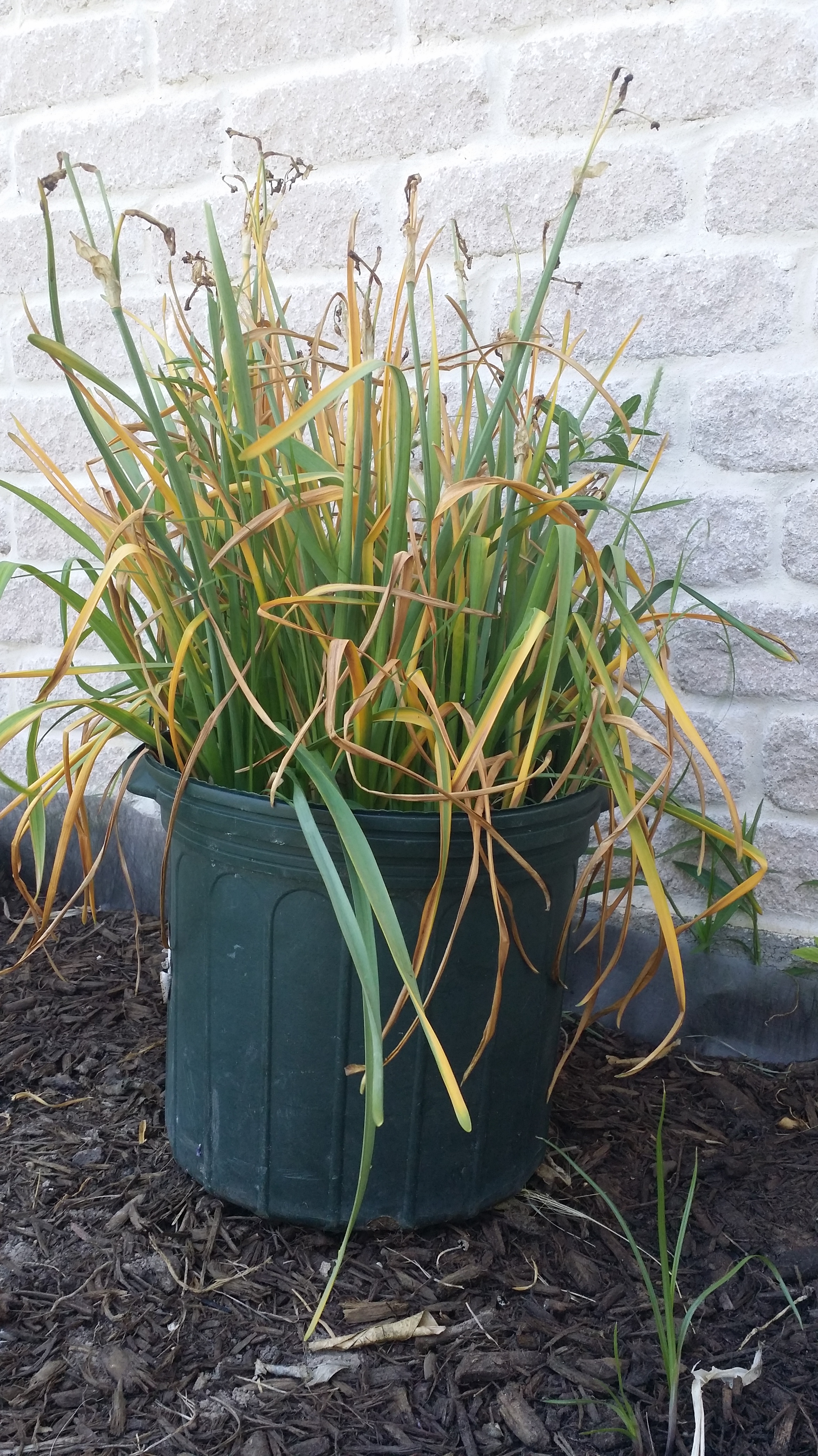
Daffodils Naturalizing
My daffodils appeared in abundance this year, so early in the Spring, I transplanted a clump to this pot in order to identify the plant and to save it for next year’s “pass along” plants. Continue reading
By the time that I decided to divide my daylilies (early Spring, this year—recall the mess—), I realized that I could identify only two of the unruly clumps. So, the choice was made to start raised beds that would give me room to sort them by variety. Here’s how I did it:
1) the daylilies were dug up and clumps were placed in pots with potting soil—essentially I stored the clumps for future transplanting to the new beds (see pots in picture at the bottom of this post). Continue reading
The roses are starting to bloom in mass, and there are so many right now! More will be added this week, but here’s a start:

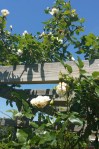


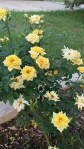


More details will be posted for each — just wanted to get these pictures out now.
Enjoy!
This year, we decided to try something different— growing onions and sunflowers together. As we are in USDA zone 8b, we put onions in the garden in February and then sunflowers after danger of frost.
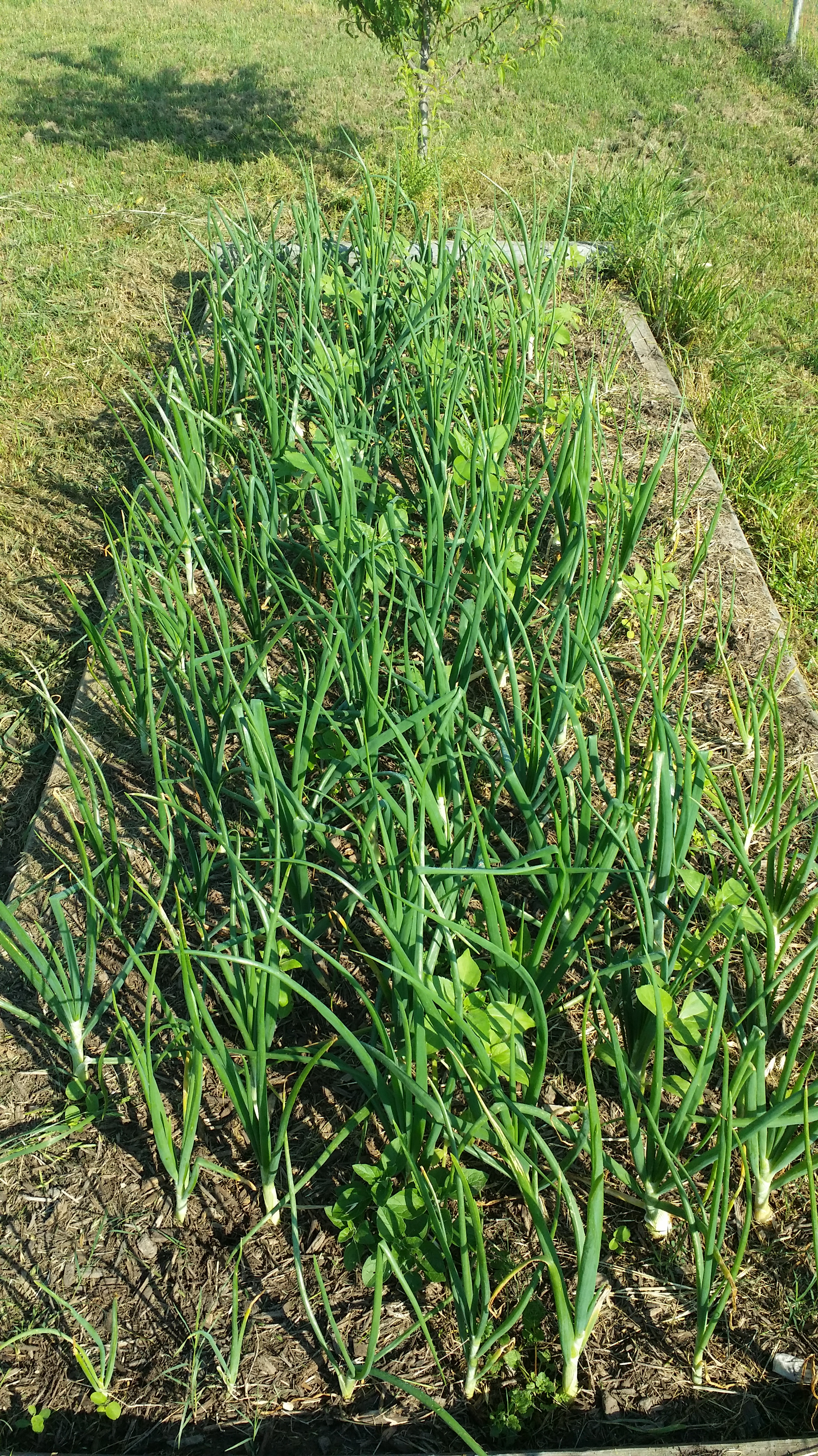
Onions and Sunflowers Apr20-2014


 The Art & Science of Gardening