Okra is a great veggie for Southern U.S. gardens — it takes the heat and continues to produce as long as the okra have not progressed to fully developed seed pods (tough and brown in appearance). But — how to preserve and store such a voracious producer? Continue reading
Posts by Christine
Daylily Propagation by Proliferation
Daylilies can be propagated by “proliferations” (or by seed, or by division).
Proliferations are the small plants that arise from “joints” in the scape (see photo left); these small plants can emerge at any time after the scape develops. All daylilies are capable of producing proliferations—if environmental conditions are favorable. There is one daylily in my collection that produces viable proliferations each year; the others do not.
Notice that the proliferation on this scape is beneath a seed pod. The plant will keep the seed pod alive and that, in turn, keeps the proliferation alive. If the seed pod dies, the scape also dies and turns brown, destroying any immature proliferations still attached to the scape.
Zipper cream peas
Zipper cream peas are easily grown in the Southern US. They can be picked green when still immature snap beans, or when mature enough to be easily “unzipped” to release the peas. If left on the plant, they will eventually dry.
Once the peas dry, the plant will die. If continuous fresh peas are desired, pick the mature green peas (don’t allow them to dry on the plant) and peas will continue to produce—as long as environmental conditions are favorable.
Whether fresh or dried peas are harvested, compost the waste.
Corn-Smut Disease: Profit Potential and Nutritious!
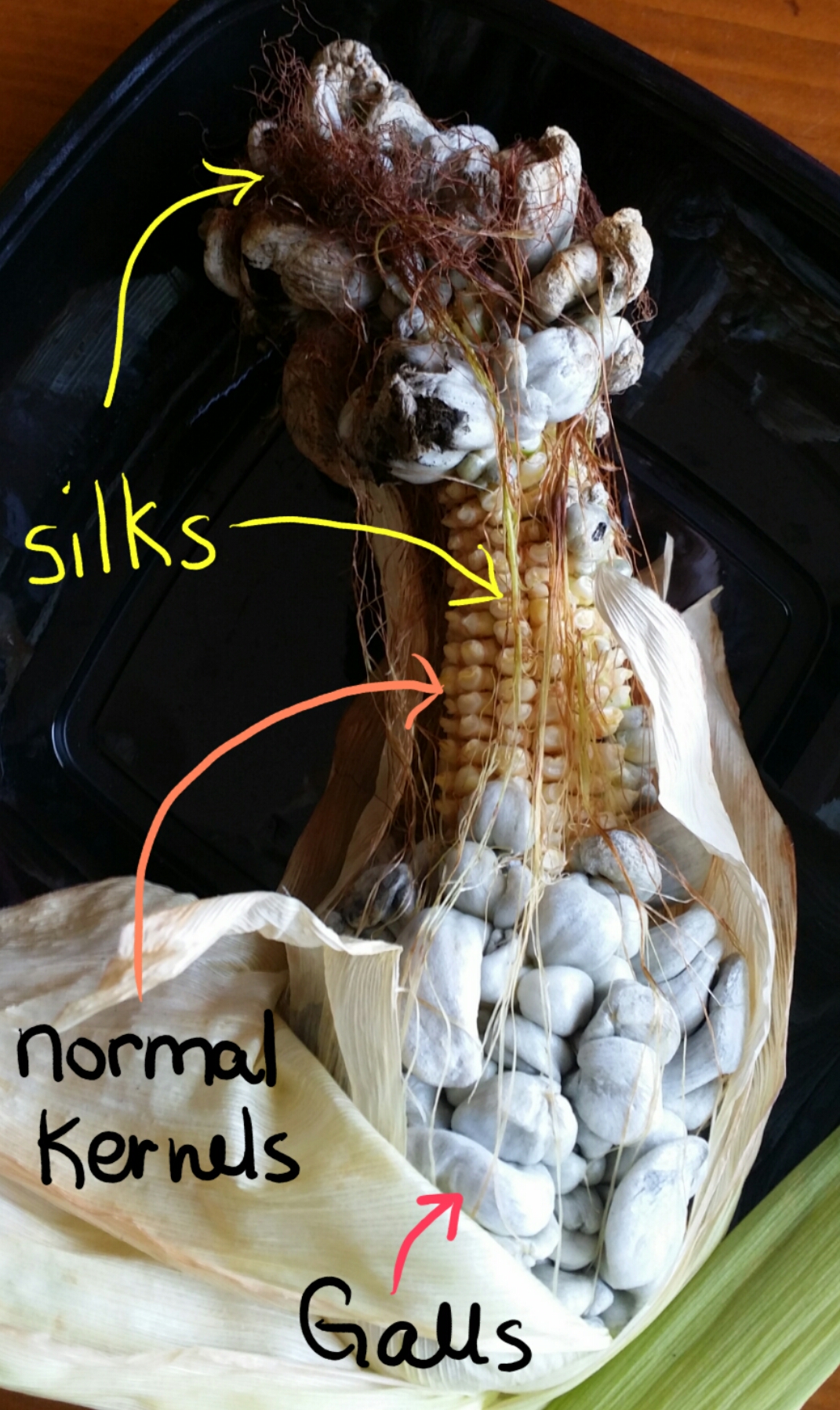
Corn-Smut Disease.
Corn-smut is a disease caused by the fungus, Ustilago maydis. In this disease, the fungal spores enter through the corn silks (Note: each silk represents a single kernel created when the corn silk is pollinated). Once pollination is completed and the silks appear darkened brown; the silks do not distinguish between a pollen grain and a fungal spore–it simply appears as if pollination has taken place. At this point, the infection has already begun. Continue reading
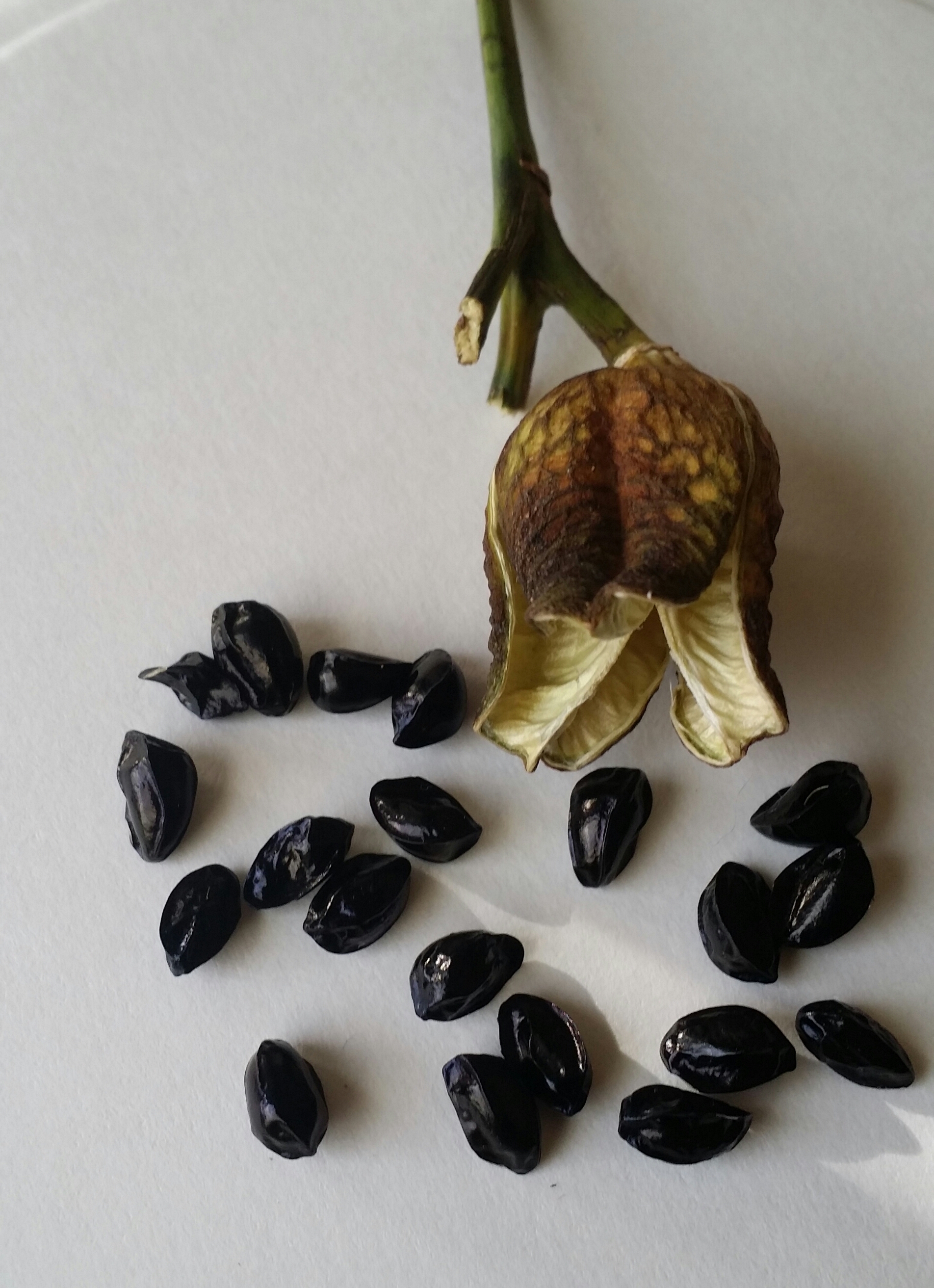
Daylily Propagation by Seed
Ways to get more Daylilies: physical division of plants, seed production and proliferation shoots. Seed propagation is discussed in this post. Continue reading
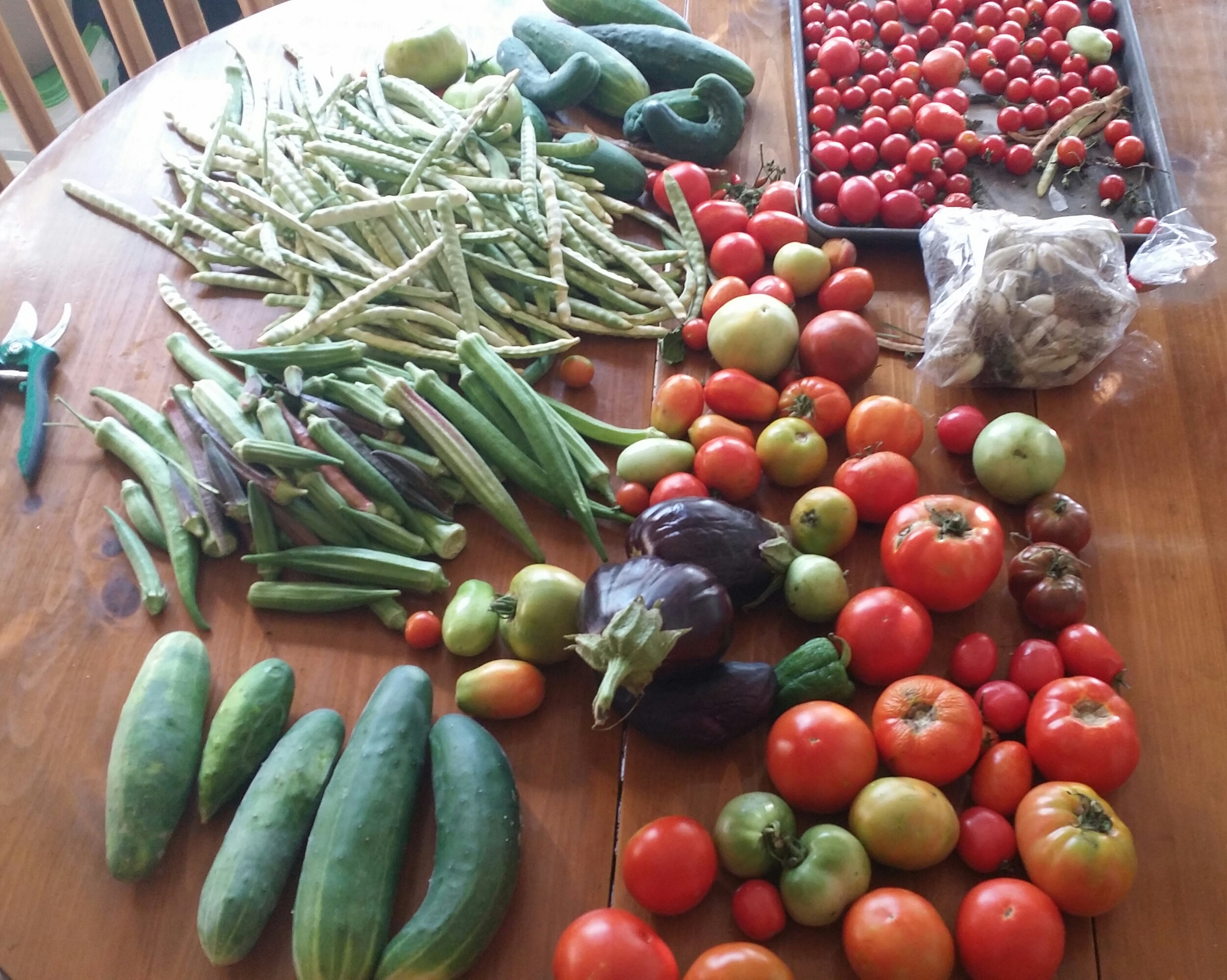
Veggie Sorting and Processing
Each June my table become a distribution center for fresh garden veggies (with mild weather this year, we’ll be sorting well into July). So, this posting is about how we process the fresh veggies. Continue reading
Chiltepin Peppers for a “Hot Chili Sauce”
These tiny peppers (about 1/4 inch in length) pack quite a punch— one of the highest on the scoville heat list, often packing a punch that is 30 to 40 times hotter than jalapenos. Continue reading
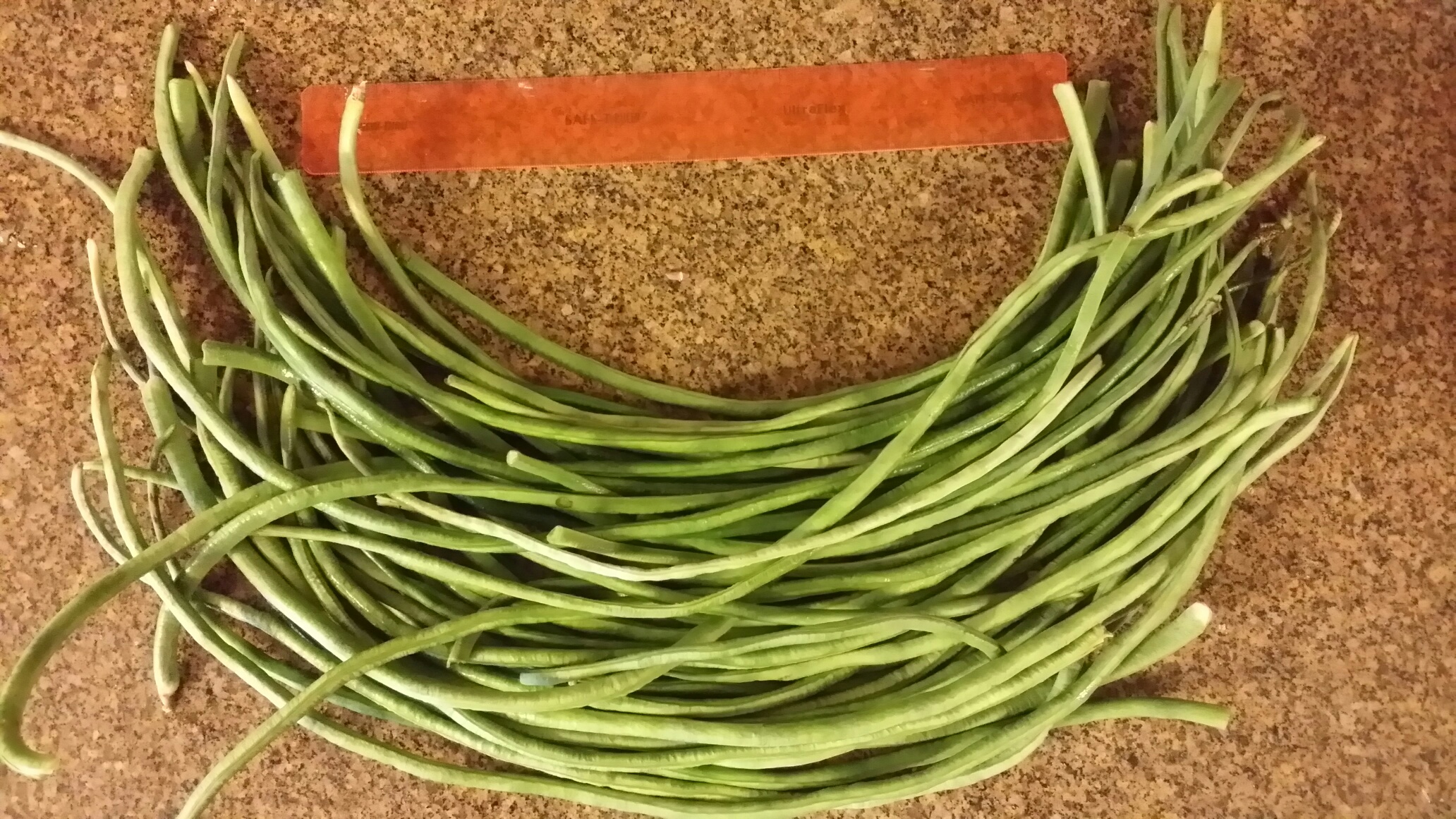
Yard-Long Beans
Yard long beans (Vigna unguiculata) are so named because they can easily reach lengths of around 36 inches. Continue reading
Vegetables of the Day — Stir-Fry!
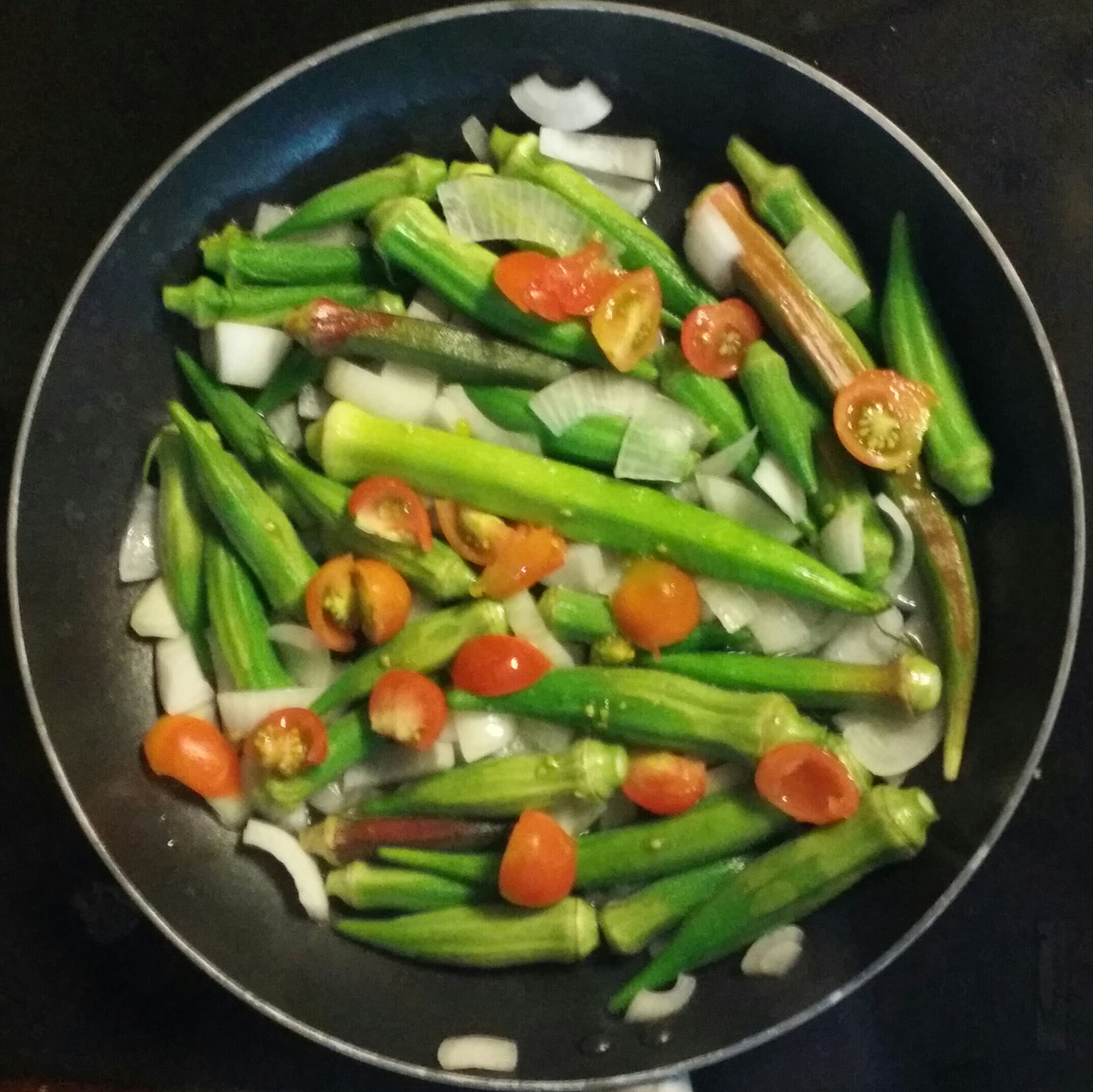
The first day we had enough okra for a meal, I created a stir-fry from available fresh vegetables: Continue reading
The “Red” Daylilies
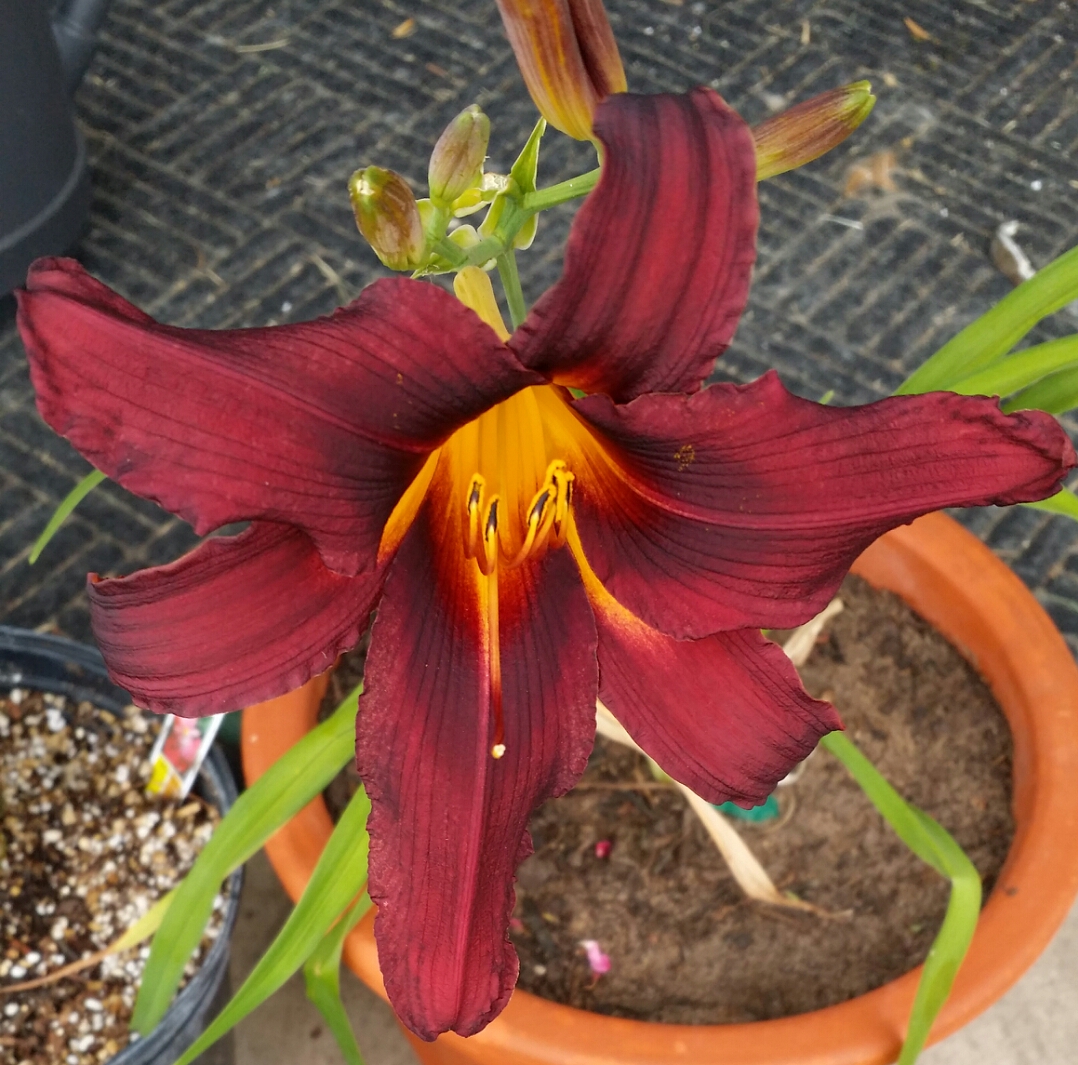
There are two “red” daylilies in my perennial gardens; one is ‘Prelude to Love’ and the other is ‘Theron’. I describe each of them as maroon–probably due to my Aggie lens! (We are both Texas A&M University former students).
Theron was the first “red” daylily—bred by Stout and released in 1934 (Dormant, blooms mid-May throught mid-June, no repeat) This was a pass along plant for my mother-in-law, and I acquired it from her about 8 years ago. I found it in a garden bed near the house, shaded from overgrown oak trees planted over 20 years earlier (but originally in full sun). Once carefully dug, I realized that there really wasn’t much time left because the tubers were tiny and there were only 3 of them. With care, I managed to bring it back to blooming and spreading.
Purchase in 1995, ‘Prelude to Love’ was one of the first daylilies I bought (that maroon lens again!).
This is a dormant, mid-June through July repeat bloomer.
Until this year, I thought that both of these were gone. They were discovered in unruly clumps of daylily tubers and roots—continued growing, but ceased blooming.
This year, they both have new locations in the improved raised bed. I expect to see a lot more of both of them from now on!