

Yaupon Hollies and Elm
Although we’ve already had the first freeze of the year, much of the lawn, roses, trees and shrubs remain green. But that’s about to change. Continue reading

Yaupon Hollies and Elm
Although we’ve already had the first freeze of the year, much of the lawn, roses, trees and shrubs remain green. But that’s about to change. Continue reading
Our first freeze of the season was two days ago. Just before the freeze, I took snapshots of some of the roses in bloom.
After the first freeze, the number, size and overall quality of rose blooms declines. Some of the roses will not bloom again until Spring, while others will add blooms for a few more weeks.
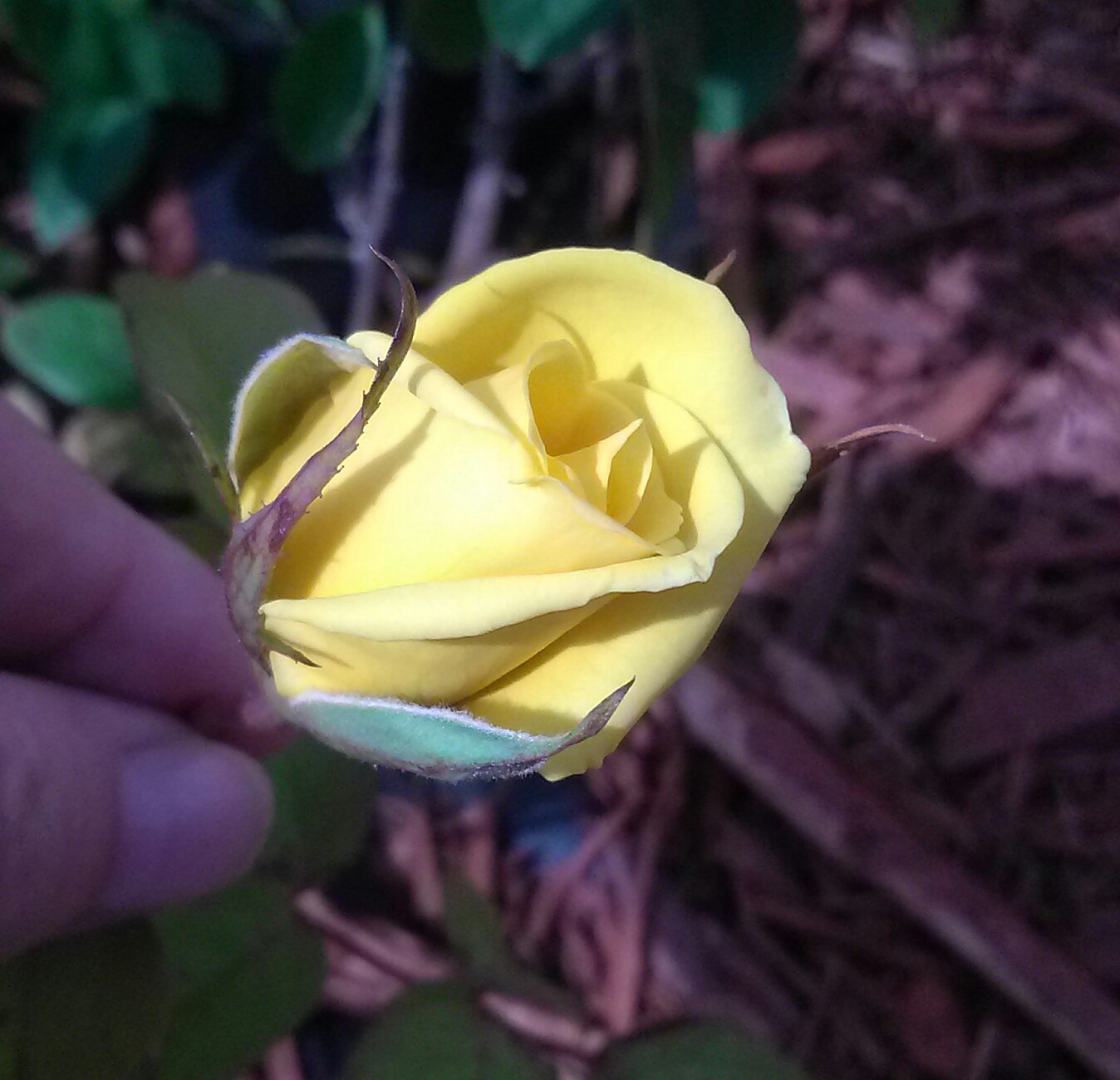
Nacogdoches Yellow, November 15, 2013
I have finally found a yellow rose that I believe is hardy enough to produce abundant blooms and thrive in my garden. “Nacogdoches Yellow” —also called Grandma’s Yellow” is a found rose; it was located near a hotel in Nacogdoches, Texas.
So far, I haven’t seen any kind of disease on the leaves or stems.
This rose was planted two weeks ago, on the S corner of my house where it also has access to the Morning sun. We had about 5 inches of rain since it was planted, and it seems to have adapted very nicely by sending out new bronze-colored foliage, plus a few buds.
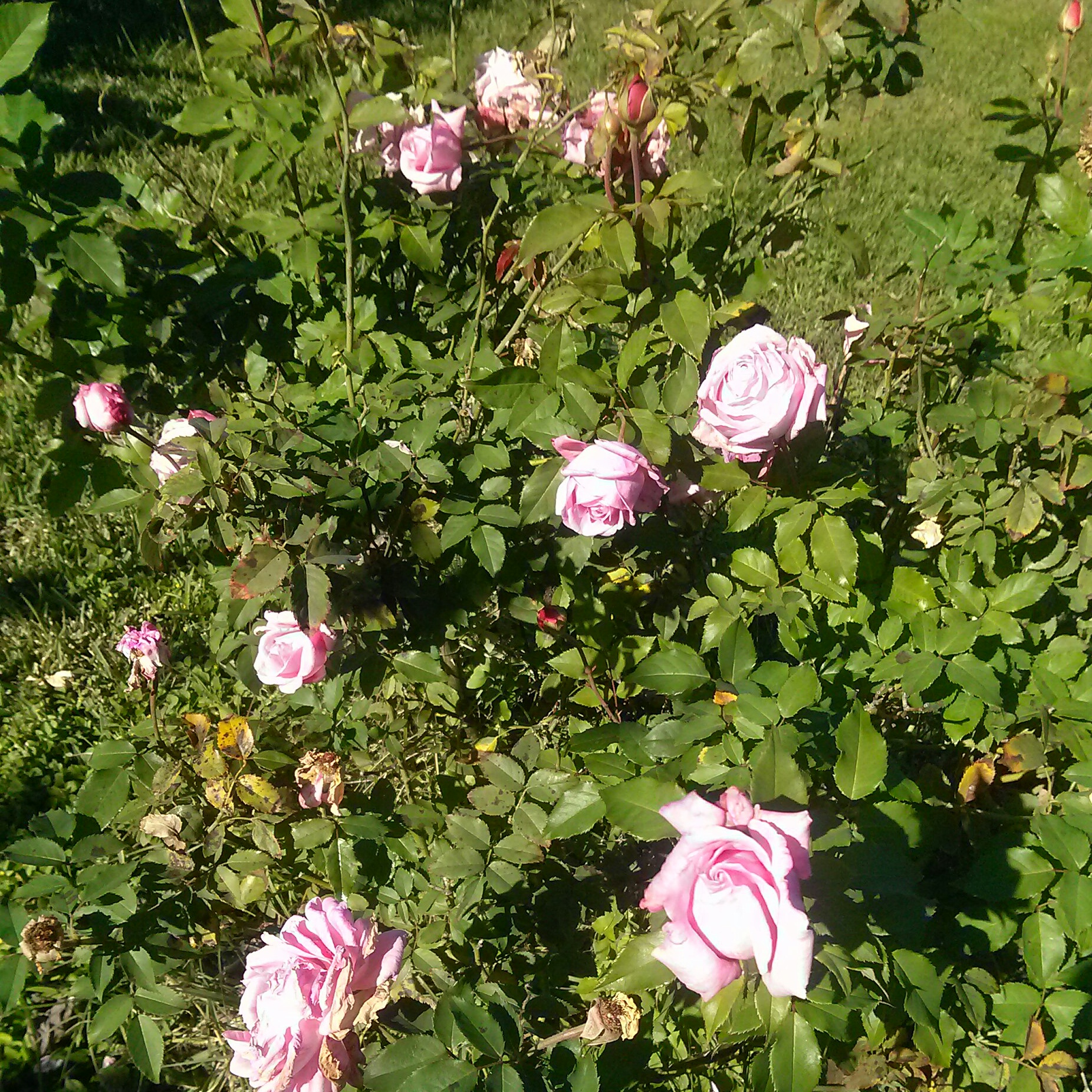
Belinda’s Dream, November 15, 2013
The second rose is Belinda’s Dream. A pink shrub rose with large pink double blooms that appear throughout the growing season (from about late March through early December in my gardens).
It’s pretty compact — about 3 feet in any direction. When conditions for fungal black spot are good (high humidity, heat), this rose will drop leaves pretty quickly. I’ve seen it drop enough in the past that I wasn’t sure it would survive—but it always comes back (no chemicals used, but it does need fertilizer in the Spring).
During the height of the drought, about 3 years ago, Belinda’s Dream dropped so many leaves from heat stress that I did not believe she would return to the garden. This year, this rose has finally made it “back” to full health. Moral of the story: don’t remove an old garden right away as they often return from the roots (unlike grafted roses where the rose above the graft will not return).
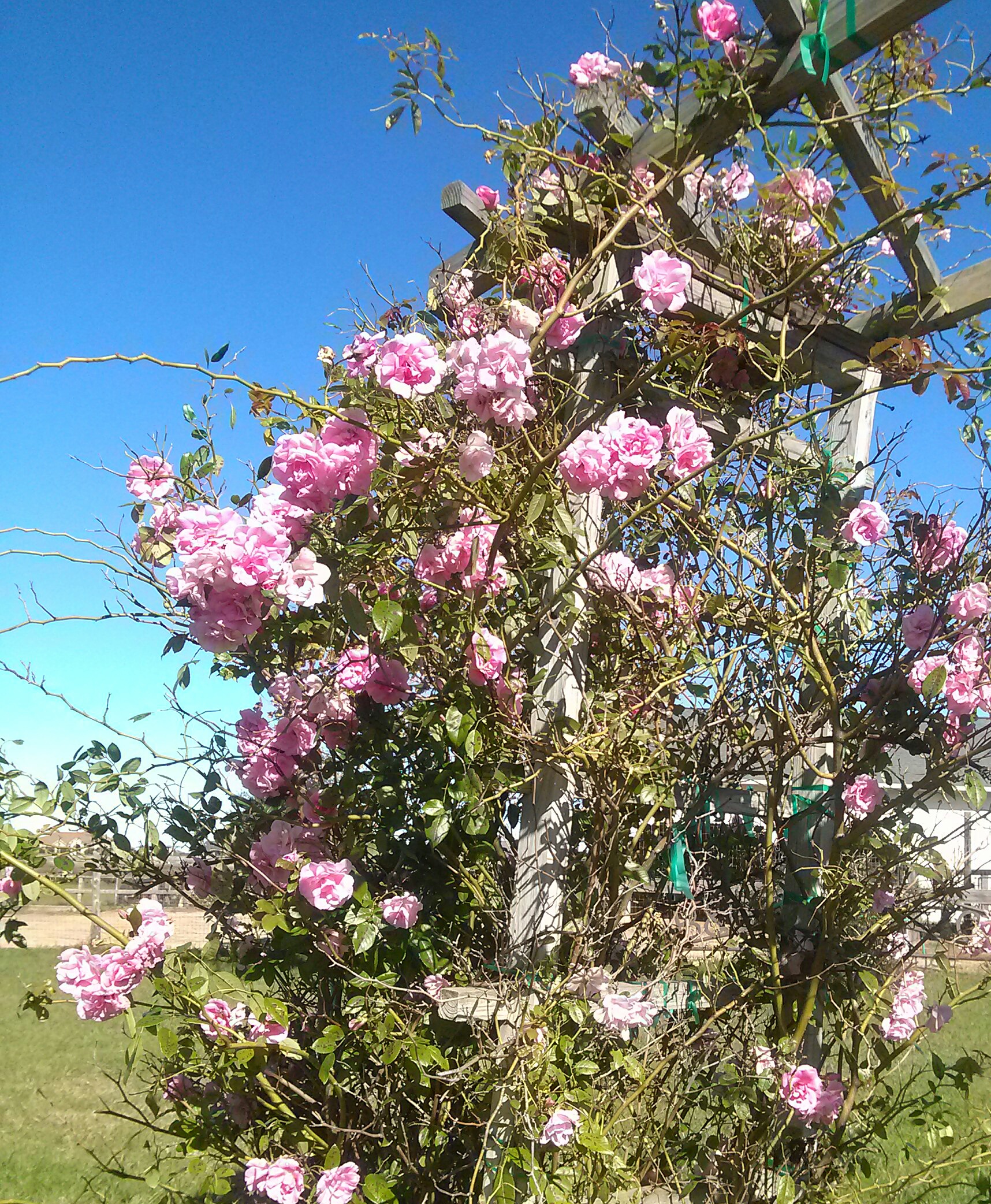
Little Pinkie, Nov. 15, 2013
The third rose is “Little Pinky”, climbing. This repeat bloomer pushes out flushes of blooms about 3 times a year, it is highly resistant to fungal blackspot and it is nearly (not completely) thorn-less.
With the cool temperatures and high rainfall amounts of the last six weeks, Little Pinky has decided to push out another flush of blooms. Just before the rains started (September) we had reached a dry point whereby cracks were appearing in the ground. Little Pinky does not appear to appreciate the heat, with very few blooms produced from late Spring through summer.
This climber will send out canes that are up to 8 feet, so it needs a trellis to show off the many many clusters of roses.
I’ve got a few more roses farther away from the house, so I’ll post updates on them later.

Chrysler Imperial, climbing , flower
Two questions to consider before buying any particular rose (note: I grow antique or “old garden” roses, not grafted roses);
1) will this rose survive in my garden, and
2) will I like this rose in my garden?
In this blog entry, the first question is discussed and a future blog entry will address the second question.

Barbi and Buck, 2012
Organic Fertilizer for my garden comes from these two!
Horse manure is the fertilizer of choice for our gardens for three reasons: 1) it’s organic, 2) it’s readily available, and 3) it contains undigested forage (grasses and hay) so it also “softens” the soil for the plant roots. Continue reading
On October 26 – 27, we received 2 1/2 inches of rain. The temperature range for the month of October has been 48 to 83 degrees Fahrenheit — spring-like conditions with the exception that daylight is rapidly decreasing. Compared to last year, we have received considerable more rain in October. As a consequence of the combined environmental conditions, we have lush green lawns, trees and shrubs, and an abundance of rose blooms.

The Aunt Betty Rose — closeup
The roses add color and texture to the fall gardens! The first example is “Aunt Betty’s” rose–an old garden “China” (prolific, nearly continuous bloomer in mild climates). This rose likes about 6 hours of sunlight, is extremely diseases resistant. The roses are about 1.5 times larger in the spring. Continue reading
Fresh sweet corn on the cob is hard to grow but well-worth the rewards.
We plant Ambrosia in both Spring and Fall. Continue reading
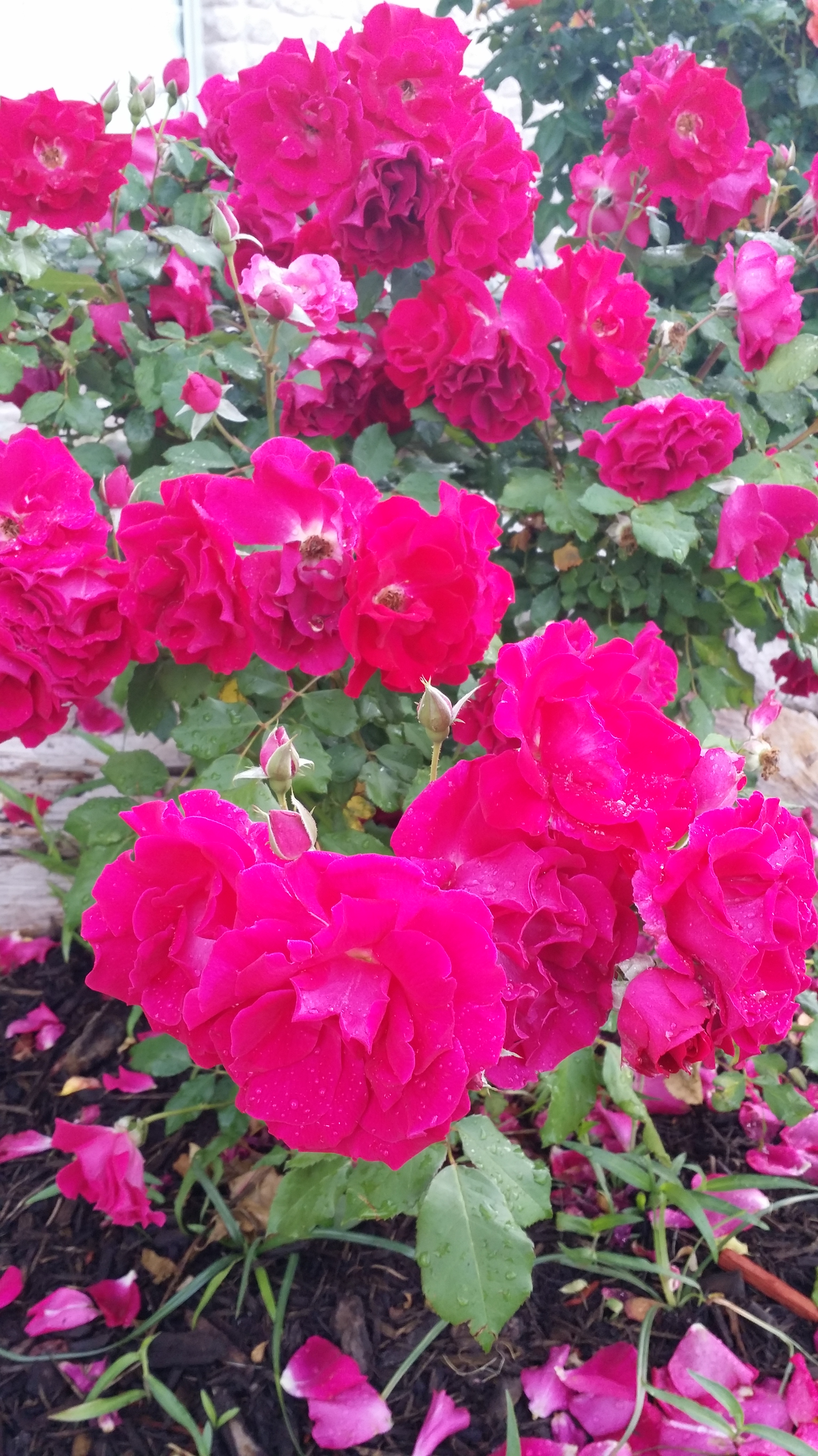
Valentine; April 28, 2014
I’ve posted several times about Valentine — the old garden rose by my front door — but Valentine has done something I’ve never seen from a rose (at least not one growing in my yard).
The photo gallery below shows (from left to right); a cluster of 24 opened Valentine roses, the entire valentine rose with the cluster at the back right and smaller clusters throughout the bush, and a picture of the stems after the blooms began falling apart. The cluster of blooms lasted about 10 days.


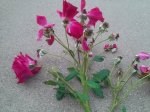
Click on any photo to view a larger picture–these roses are just beautiful!
There were two sets of clusters in this magnificent show of blooms; one cluster had 18 blooms and the other had 6 blooms — a total of 24 open flower roses at once! Continue reading
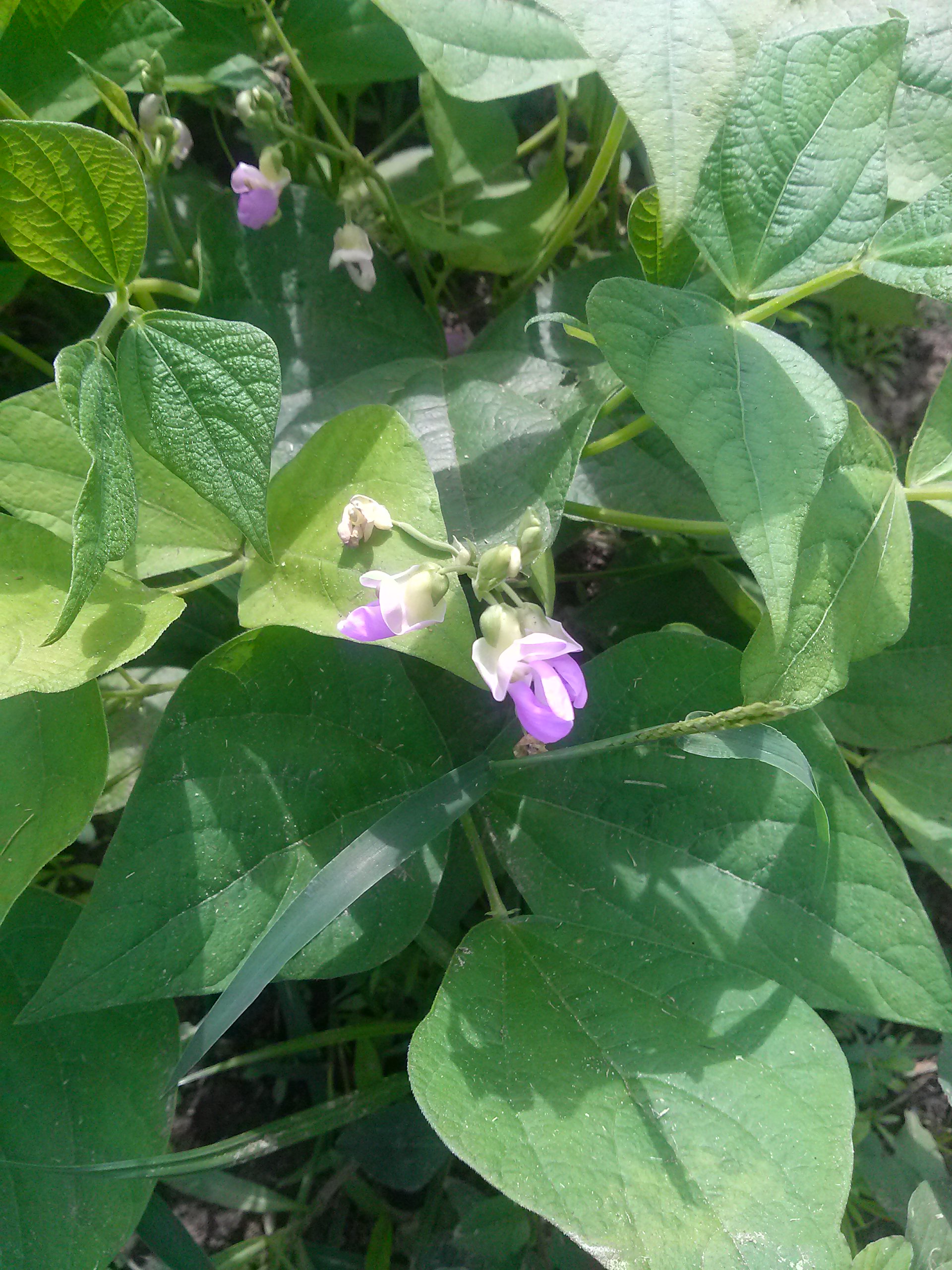
Green Beans October 4, 2013
Today I found fresh green beans in the garden! Of all the vegetables that grow in the garden, fresh green beans have much better flavor and texture than any that are purchased at the supermarket or at the farmers’ markets.
Once picked, the beans are immediately soaked in water for about 15 minutes, the put in the refrigerator. If not soaked, the beans tend to dry out very quickly in the dry refrigeration air.
When there are too many green beans to consume in a week, they are frozen (blanched, placed on cookie sheets, frozen, then packed into bags for “stick-free” access). The frozen green beans are still better than anything bought, but not as good as when they are freshly picked!
These Contender variety green beans were planted on August 17, 2013, and began blooming on October 4 (picture to left). Today, October 17, 2013, is 60 days since planting (about average for the time it takes to produce green beans). The green beans shown below are not quite ready to pick — center of the picture, towards the bottom, will be picked later today or tomorrow morning — another is visible lower down and farther back in the foliage. There are enough green beans ready (larger than these, but not shown) to have our first green beans of the Fall today!

Contender green beans, October 17, 2013 (60 days)
Three terms I did not think I would be using to describe my gardens in mid October — flooding, Calla, and Lush.
One month ago, our rainfall values, combined with dry ground conditions, indicated early drought conditions. If the cool/cold fronts of Fall and Winter do not result in rainfall, the conditions worsen. Right now, it is drizzling, and we’ve already had 3 1/2 inches of rain in the last 36 hours –with more expected over the next 3 days. Continue reading


 The Art & Science of Gardening